Posted on

Padel or Tennis: Which Racquet Sport Should You Start With?

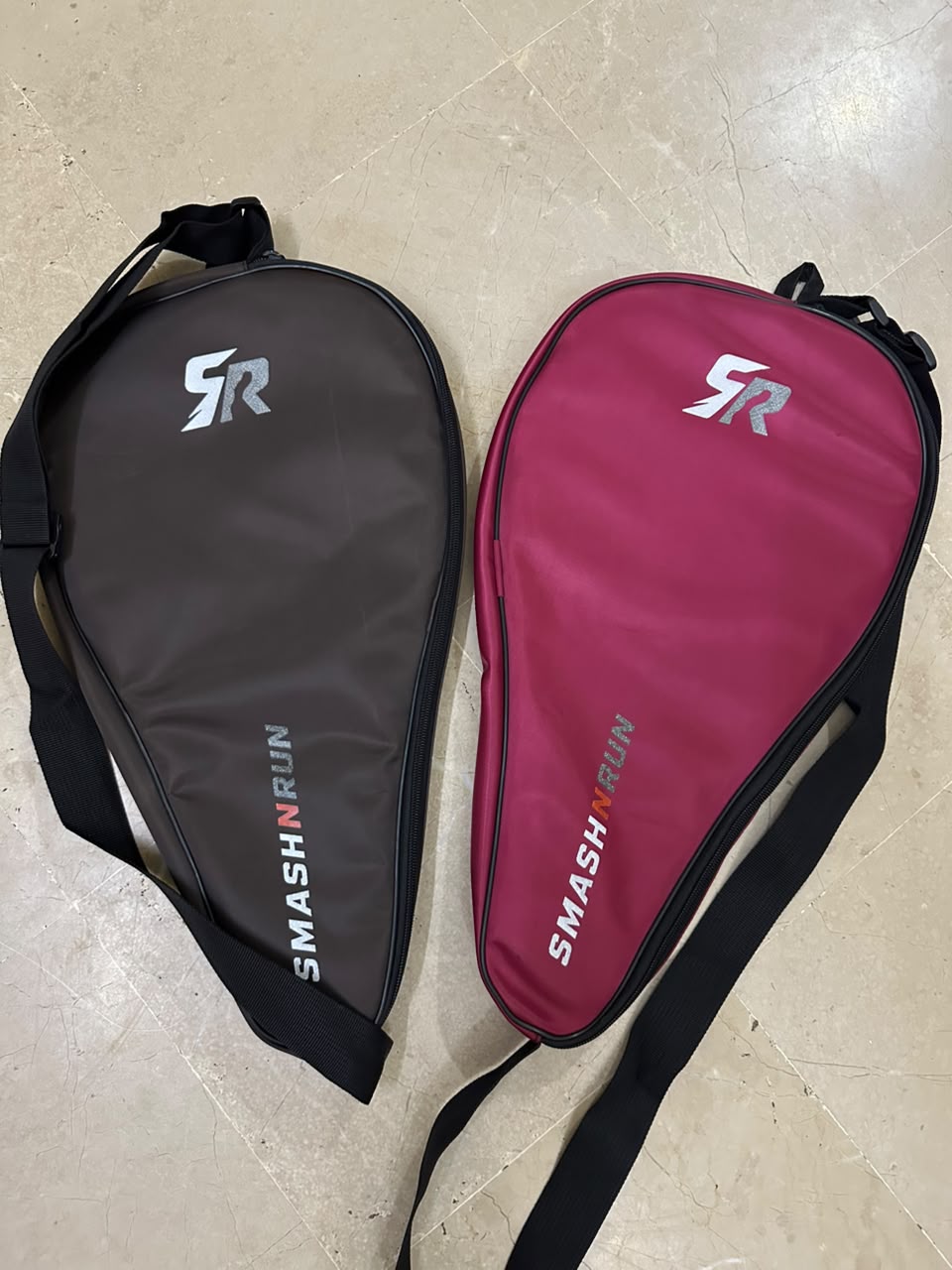
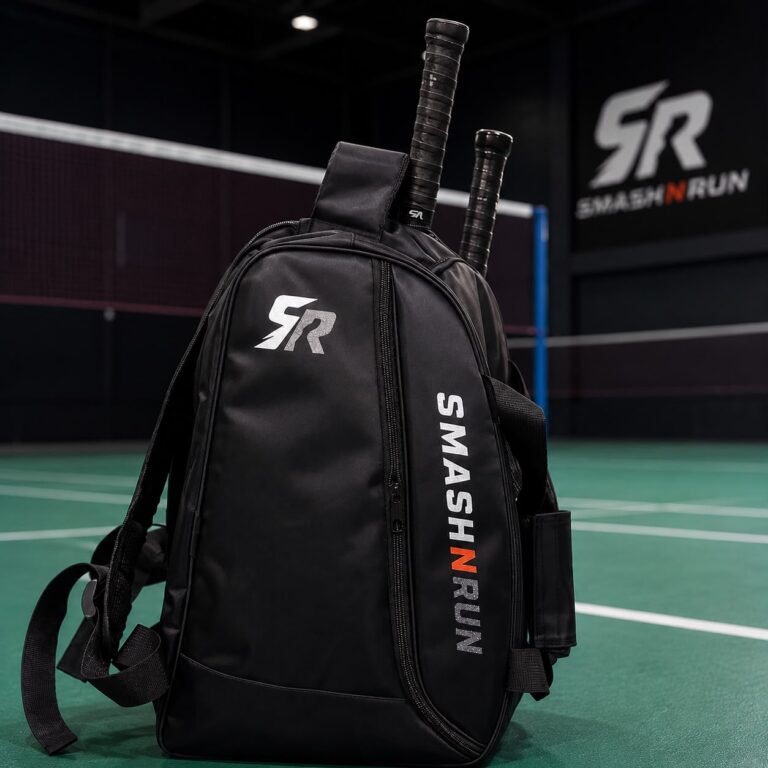
SmashNRun padel kit bags in black and maroon

Padel and tennis are related, and from a distance they look almost interchangeable. Play both for an hour and the family resemblance disappears. They reward different instincts, they take different amounts of time to enjoy, and one of them is far easier to start.

Here is an honest comparison for anyone deciding where to begin.

The court

A padel court is roughly a third of the size of a tennis court and it is enclosed by glass and mesh. Those walls change everything. A ball that would be a clean winner in tennis simply rebounds and stays in play, so rallies run longer and points are won by construction rather than by raw reach.

The equipment

Padel uses a solid, perforated paddle with no strings and a short handle. Tennis uses a strung racket with a much longer frame. The paddle has a smaller sweet spot but transmits far less shock through the arm, which is one reason players with elbow trouble often move across.

The serve

This is the biggest practical difference for a newcomer. A padel serve is underarm and must bounce before you hit it, so almost anyone can put the ball in play on day one. A tennis serve is an overhead motion that takes weeks of practice before it stops being a liability. If you want to play real points on your first afternoon, padel wins comfortably.

How quickly you improve

Most people can hold an enjoyable rally in padel within a single session. Tennis rewards you eventually and its technical ceiling is higher, but the first few months ask for patience. Neither is better. They simply place the difficulty at different ends of the journey.

The social side

Padel is played in doubles almost without exception, which means four people, constant conversation and an easy way to mix abilities in the same match. Tennis works as both singles and doubles, so it can be a sociable evening or a private duel depending on what you are looking for.

Physical demands

Tennis covers more ground and asks more of your shoulder and your endurance. Padel is played in short bursts with quick changes of direction and a lot of low, reactive movement. Both will leave you tired. Only one of them will make your calves ache from chasing balls off the glass.

So which should you try?

If you want to be playing real points quickly, in a group, with a low barrier to entry, start with padel. If you are drawn to technique, want a sport you can play alone against one opponent and enjoy a long learning curve, start with tennis. Plenty of people end up doing both, and the skills carry across more than you would expect.

Whichever you choose, our guide to choosing your first racquet sport kit will help you turn up prepared, and the 90 Series is designed for both courts. New to padel? Start with five things to know before your first match.

Made in Pakistan

What we make

SmashNRun builds sportswear and sports gear in Pakistan, for people who actually train here. Premium make, priced so you can wear it hard.
See the full rangeNew drops and athlete stories go out first on Instagram.
Posted on

Padel for Beginners: 5 Things to Know Before Your First Match

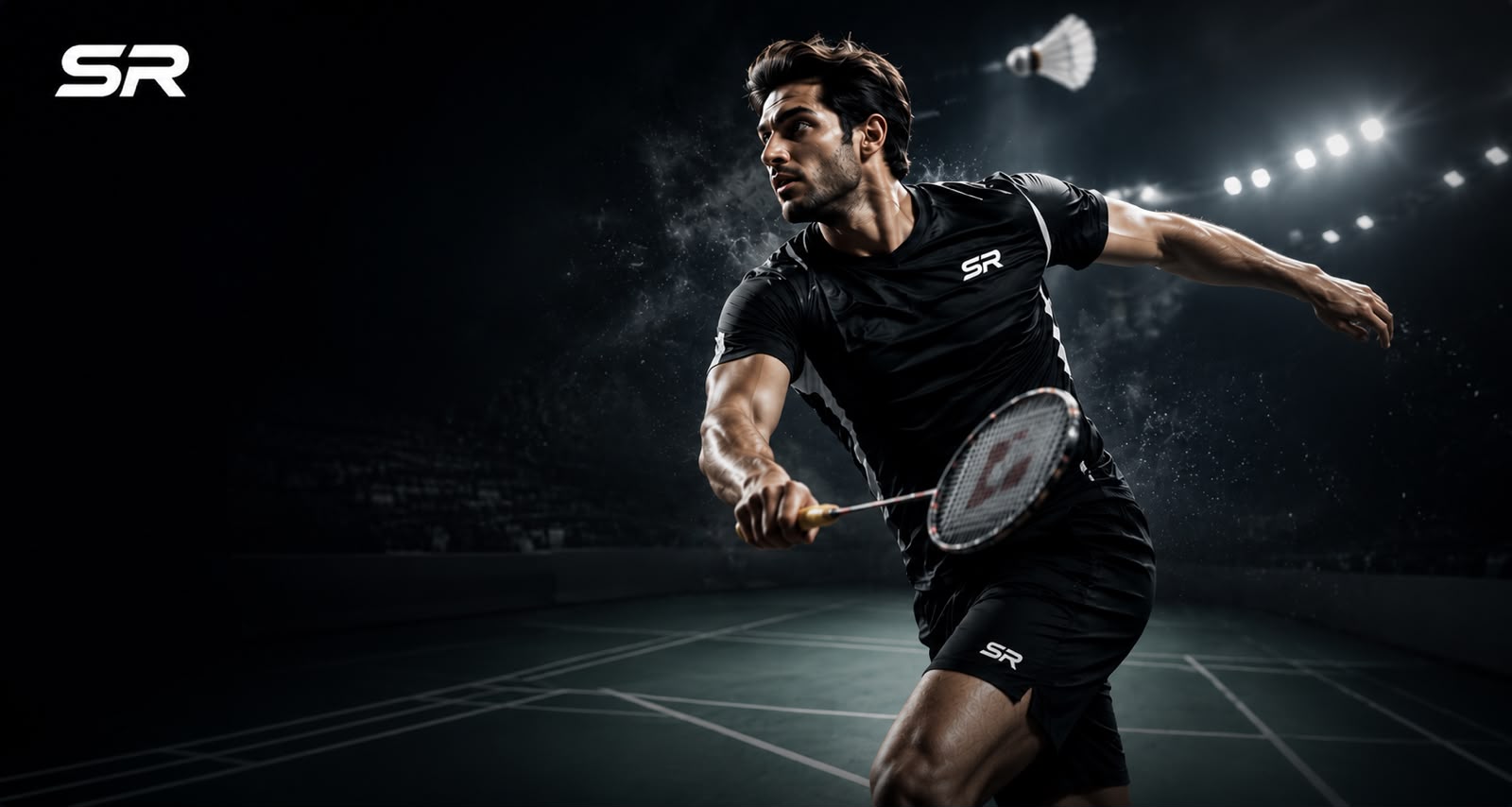
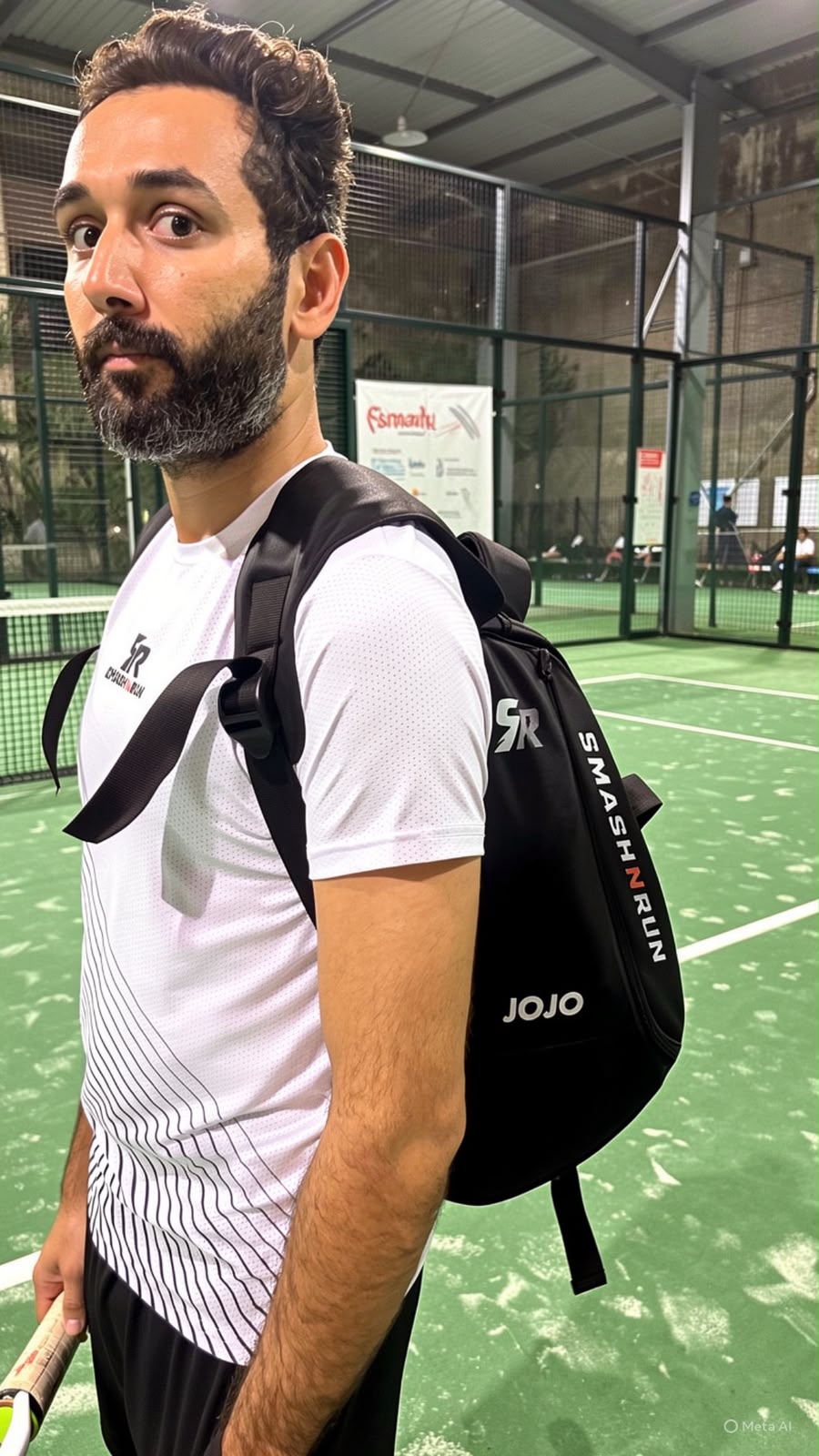
Player in SmashNRun kit on a padel court

Padel looks simple from the sideline. Four players, a small enclosed court, a paddle that fits comfortably in one hand. Then you step on for the first time, a ball comes off the glass behind you, and everything you assumed about racquet sports quietly rearranges itself.

That first session is a great deal more enjoyable once you understand what the game is actually asking of you. These are the five points we come back to most often when a friend plays their first match.

1. Let the wall do the work

In tennis, a ball past you is a ball lost. In padel the glass is part of the court, and the rebound is usually your best friend. Give the ball room, let it come off the back wall, and take it on the way out instead of crowding it. Beginners lose far more points to rushing than to weak technique.

Stand a step further back than feels natural for the first few games. You will be surprised how many balls come back to you.

2. Hold the paddle lightly

A padel racket is solid, compact and already stable. Squeezing it does not add power, it removes touch. Aim for the grip pressure you would use to carry a full cup of tea across a room: firm enough that nothing spills, loose enough that your wrist can still move freely.

3. Positioning beats power

Padel is played in pairs, and the pair that reaches the net together usually wins the point. Move up as a unit, retreat as a unit, and keep roughly three or four metres between you. Two players standing on a diagonal leave a corridor down the middle that any opponent will eventually find.

The quickest improvement in padel is not a better swing. It is standing in the right place at the right time.

4. Serve for placement, not speed

The serve is underarm and must bounce before you strike it, which removes the intimidation of a tennis serve. Use that to your advantage. A deep, low serve into the corner pins your opponent against the back glass and lets your team take the net. A hard serve down the middle simply hands the rally back.

5. Play the long point

Rallies in padel last. The walls keep the ball alive, so patience becomes a genuine weapon. Build the point, wait for a ball that sits up, and only then commit to the smash. Trying to finish every rally in two shots is the fastest route to a frustrating afternoon.

What to bring on the day

Kit matters less than people assume for a first match, but a few things make a real difference. Wear something that breathes and moves, because padel involves many more short sprints and changes of direction than a casual hit. Court shoes with grip on a sand dressed surface will keep you steady. And pack a spare shirt, because you will want it.

If you are putting a first kit together, our guide to choosing your first racquet sport kit covers fabric and fit in more detail, and the 90 Series was built for exactly this kind of play.

The short version

Give the ball space, hold the paddle lightly, move with your partner, place your serve and stay patient. Everything else you will pick up on court, which is the best part of the sport.

Made in Pakistan

What we make

SmashNRun builds sportswear and sports gear in Pakistan, for people who actually train here. Premium make, priced so you can wear it hard.
See the full rangeNew drops and athlete stories go out first on Instagram.
Posted on — Leave a comment

How to choose your first racquet sport kit: fabric, fit and what actually matters

SmashNRun athlete on a floodlit indoor court

Buying your first proper kit for padel, tennis or badminton is mostly a question of movement. The shirt you wear for a gym session and the shirt you wear for two hours of lunging on a warm court are asked to do very different jobs. Here is how we think about it when we design, and what we would tell a friend who is buying their first set.

Fabric decides your comfort, not the brand name

Racquet sports are stop and start. You sprint, you stop, you reach, you wait. That pattern produces heat in bursts, which means the fabric has to move sweat away quickly rather than simply feel soft in the shop. Look for a knit that is light but not thin, with a slight texture to it. Texture lifts the fabric off the skin, and that tiny gap is what keeps a shirt from clinging by the second set.

Weight matters too. Too light and the shirt loses shape after a few washes. Too heavy and it holds water. The sweet spot for our climate sits in the middle, which is where we tune everything in the Shadow90 and Aura ranges.

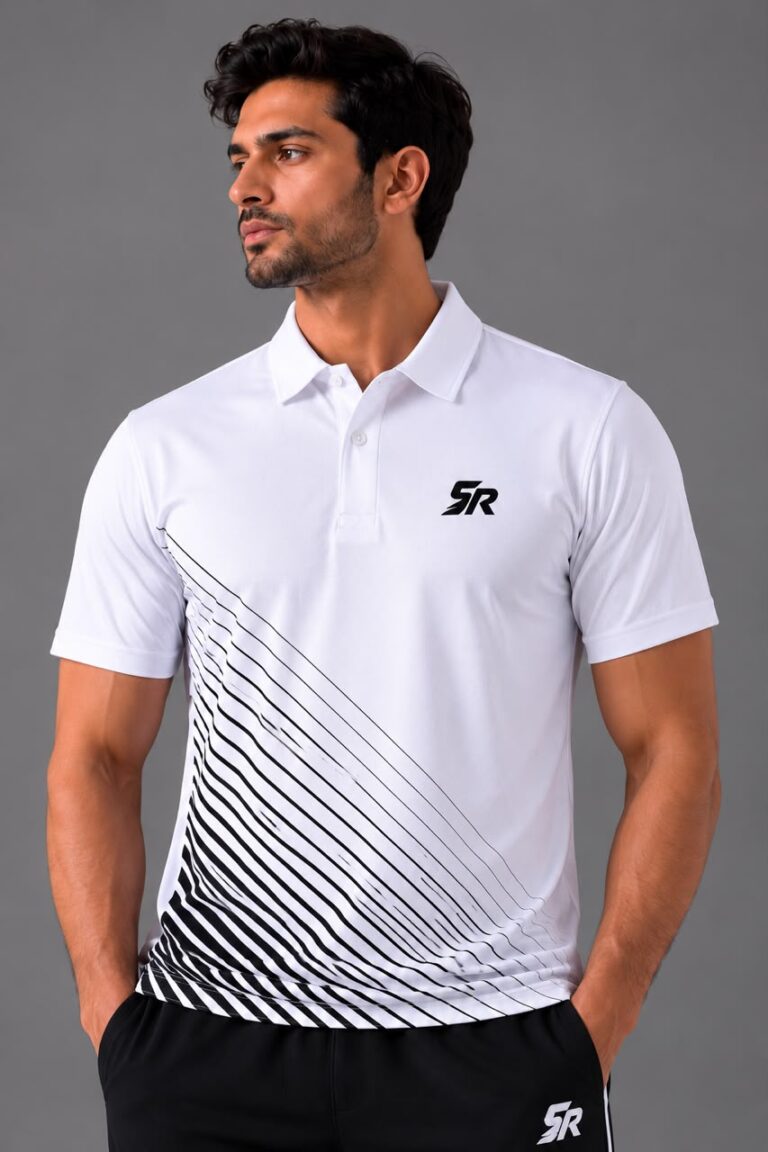
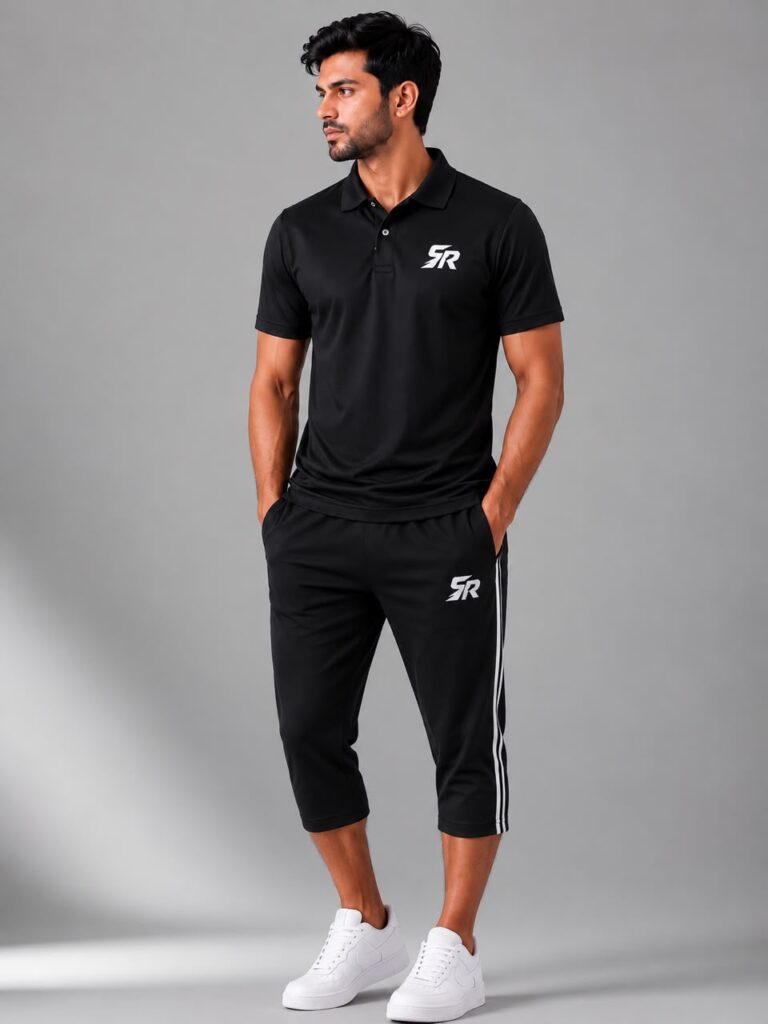
SmashNRun crew tee and track pants
A clean crew tee and track pant set is the most flexible starting point.

Fit: close, not tight

The most common mistake is sizing up for comfort. Extra fabric in the shoulder and under the arm becomes drag on every swing, and it bunches when you bend. You want the shoulder seam to sit on the edge of your shoulder, the chest to have room for a deep breath, and the hem to stay put when you reach overhead. Shorts should clear the knee so nothing catches when you split step.

If you have to adjust your shirt between points, the fit is wrong, not the fabric.

Build a set, not a wardrobe

For a first kit, two tops, one pair of shorts and one track pant will cover a normal training week. Two tops let one dry properly while the other is in use, which does more for the life of the fabric than any care instruction. Add the second pair of shorts once you know how often you actually play.

Care, briefly

Cold wash, inside out, no softener, dry in shade. Softener coats the fibres and is the fastest way to kill the moisture movement you paid for. That is genuinely the whole list.

If you want a shortcut, our kits are put together as complete sets so the top, shorts and track pant already work as one. You can see the current line up in the shop, and if you are unsure about sizing, message us on WhatsApp and we will help you pick.

Made in Pakistan

What we make

SmashNRun builds sportswear and sports gear in Pakistan, for people who actually train here. Premium make, priced so you can wear it hard.
See the full rangeNew drops and athlete stories go out first on Instagram.