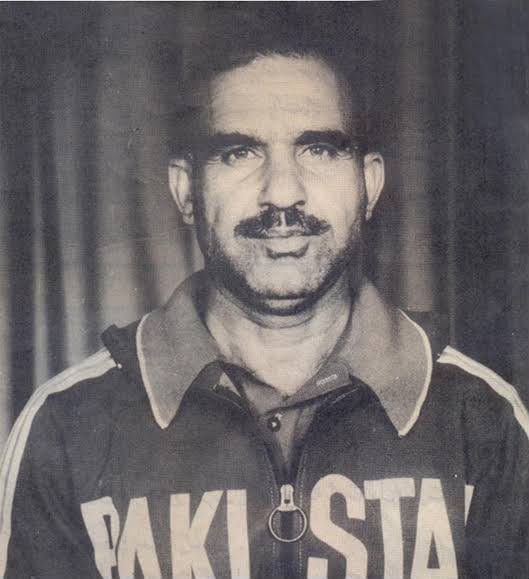
Some athletes win races. Some redefine what their nation believes is possible. Abdul Khaliq did both.
Long before Pakistan had modern stadiums, professional training facilities or international sports funding, one man captured the imagination of an entire continent with nothing but extraordinary speed and relentless determination. His name was Abdul Khaliq, a sprinter whose performances earned him the unforgettable title of The Flying Bird of Asia.
Today his name is rarely mentioned outside sports history circles. Yet there was a time when he was considered one of the fastest men in Asia and one of Pakistan’s greatest sporting heroes. This is the story of the man who made Pakistan proud, one stride at a time.
The beginning of a legend
Abdul Khaliq was born on 28 March 1933 in Gujrat, Punjab. Growing up in a newly emerging nation, opportunities for athletes were limited, but talent has a way of finding its own path.
His exceptional speed soon became impossible to ignore. Representing the Pakistan Army, he developed into one of the country’s finest sprinters, combining natural ability with discipline and determination. At a time when Pakistan was still establishing itself on the international stage, he became one of the nation’s earliest sporting icons.
Becoming the fastest man in Asia
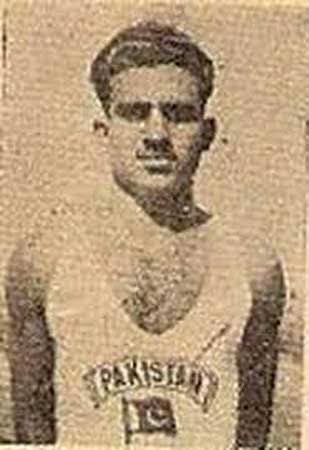
The 1950s were the golden years of his career. He dominated sprint events across Asia, winning medals and setting records that established Pakistan as a force in athletics. His greatest strength was the 100 metre sprint, where explosive starts and remarkable acceleration left spectators amazed.
His performances were so exceptional that Asian sports journalists and fans gave him a nickname that would stay with him forever.
The Flying Bird of Asia. It was more than a title. It was recognition that no athlete in Asia seemed capable of matching his speed.
The historic duel with Milkha Singh
Every great sporting era has its defining rivalry. For Abdul Khaliq it was his battle with India’s legendary sprinter Milkha Singh. Their races attracted enormous attention across South Asia, and whenever the two lined up at the starting blocks the contest became about far more than athletics. It symbolised pride, respect and sporting excellence between two neighbouring nations.
Initially Abdul Khaliq had the upper hand and defeated Milkha Singh in competition, reinforcing his reputation as Asia’s fastest sprinter. Then at the 1958 Asian Games in Tokyo, Milkha Singh produced one of the greatest performances of his career and beat him in the 200 metre final. After that victory Milkha Singh reportedly remarked that defeating Abdul Khaliq made him feel he had earned the title of The Flying Sikh.
The rivalry remains one of the greatest chapters in Asian athletics, defined not by hostility but by mutual respect and extraordinary competition.
Representing Pakistan on the world stage
Abdul Khaliq proudly represented Pakistan at multiple international competitions, including the Olympic Games, the Asian Games and numerous regional championships. During an era when international success was difficult for developing nations, he consistently proved that Pakistani athletes could compete against the very best.
Every race carried the hopes of an entire nation. Every finish inspired a new generation to dream bigger.
More than medals
Medals define statistics, but they rarely capture true greatness. Abdul Khaliq’s greatest contribution was changing how Pakistan viewed athletics. He inspired countless young athletes to believe that international success was achievable, and he demonstrated that discipline, resilience and dedication could overcome limited resources. For many Pakistanis he became proof that excellence was not reserved for wealthier nations.
Why his legacy matters today
Modern sports fans often celebrate today’s champions while forgetting the pioneers who built the foundation. Without athletes like Abdul Khaliq, Pakistan’s sporting history would be incomplete. He competed when facilities were scarce, sports science barely existed and athletes relied almost entirely on determination and hard work.
His achievements remind us that greatness is measured not only by records, but also by the barriers broken for those who follow.
A legacy that deserves to fly again
Abdul Khaliq passed away in 1988, but his legacy continues to inspire those who value courage, perseverance and national pride. The Flying Bird of Asia may no longer race on the track, yet his story still runs through the history of Pakistani sport.
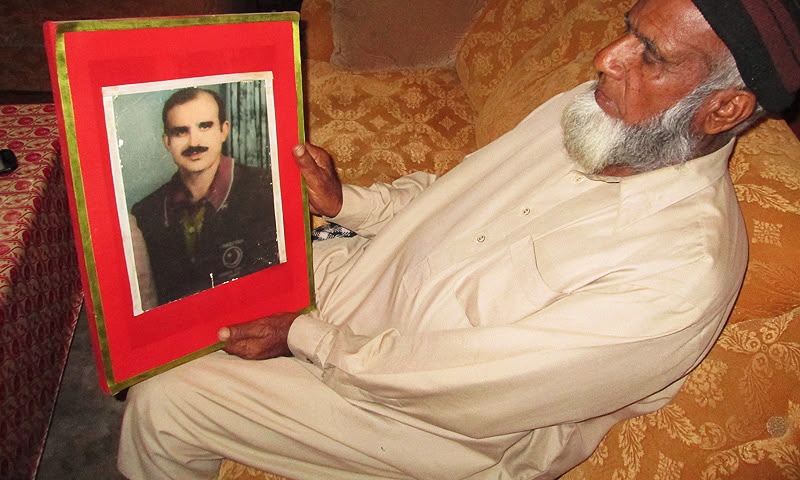
Perhaps it is time more people knew his name. Perhaps it is time Pakistan remembered one of its greatest athletes. Because legends never truly disappear. They simply wait for a new generation to discover them.
At SmashNRun we believe every champion deserves to be remembered. Through our Forgotten Sports Legends of Pakistan series we celebrate the pioneers who shaped our sporting heritage and inspired generations to dream beyond the finish line.
Made in Pakistan
What we make
SmashNRun builds sportswear and sports gear in Pakistan, for people who actually train here. Premium make, priced so you can wear it hard.